Contextual intelligence for energy.

Building foundational intelligence for power systems and energy markets.

As computing scales and industries expand, so does the need for reliable, affordable energy. We’re building the technology to make that growth possible.

For everything the world has yet to build.

A future of energy abundance.

Reliable, affordable energy should give people, industries and ideas room to grow.

We envision an energy system that can anticipate change and respond as a whole. Our aim is to connect generation, storage, networks and markets through contextual intelligence, so the system can grow alongside the world it powers.

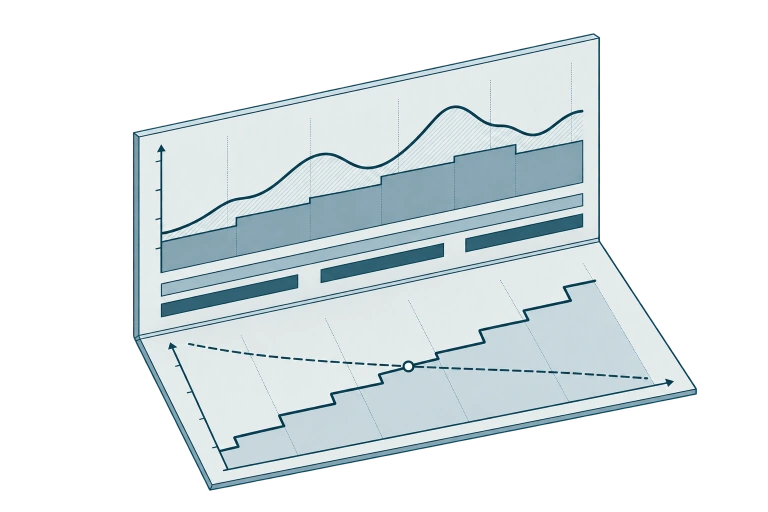
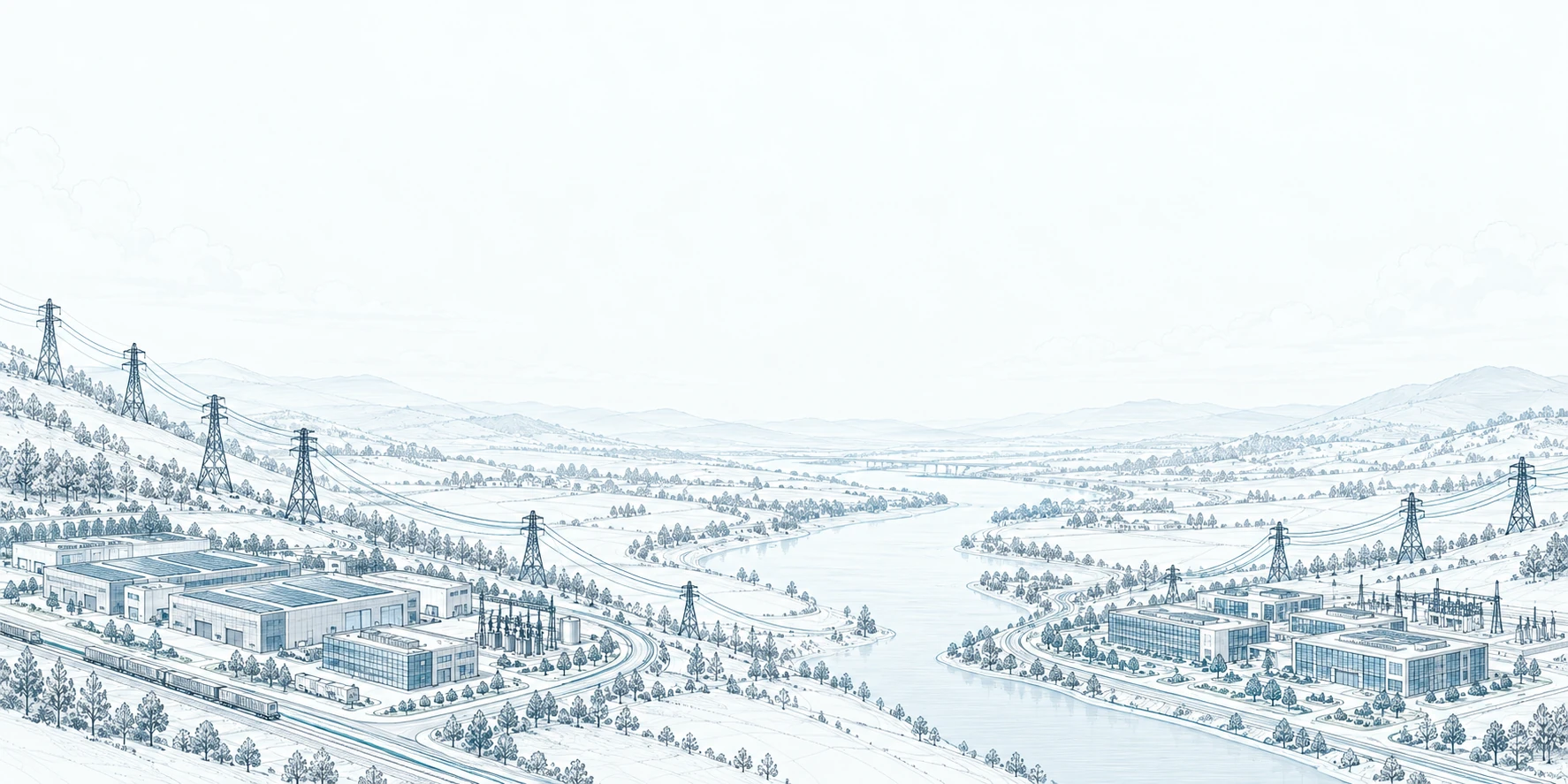
Survey plans, equipment records and field imagery inform a physical power-flow model, contextual modeling and scenario evaluation. Outputs include forecasts, coordinated generation and storage dispatch, and a market diagram where supply offers and demand bids meet at a clearing price and volume. All charts are illustrative.

Our approach

One model.
A continuous operating loop.

We are building a unified model of the energy system. One that connects what’s happening now, what could happen next, and how to respond across operations and markets.

01 Understand

Start with the system as it is.

Network records, telemetry and field imagery each reveal part of the picture. Our approach brings them together to reconstruct how assets are connected, assess their condition and identify the physical constraints that govern how the system operates.

The question it answers

How is the system connected, and how is it operating?

Reconstructing the systemMeasured locations anchor a network reconstructed from records and field observations. Missing connections resolve into a connected physical model. All data are conceptual.

02 Evaluate

Explore how the system could respond.

Physics-informed neural networks (PINNs) help us assess how changes in weather, generation and demand could affect the system. We evaluate possible responses against physical constraints and market conditions, examining the trade-offs in reliability, capacity and cost.

The question it answers

Which responses are feasible, and what would each mean for the system?

Evaluating possible responsesPossible responses branch from one current state. Physical constraints stop two branches. Several remain feasible, with one route highlighted for closer evaluation. All data are conceptual.

03 Act

Coordinate action across the energy system.

Our approach brings power procurement, generation, storage, dispatch, and maintenance planning & scheduling into one coordinated response. Each action is considered in relation to the others, so operating and market decisions reflect what the system can deliver, where it needs attention and at what cost.

The question it answers

Which actions should be taken, and how should they work together?

Coordinating an operating planAn isometric operating plan brings generation, storage, procurement and maintenance onto one timeline. Generation leaves a reserved maintenance window. Supporting actions settle into overlapping intervals around it. A continuous line traces the handoffs from generation through storage and procurement, then back to generation. All data are conceptual.

04 Update

Learn from what happens. Refine what comes next.

New measurements, field observations and operating outcomes feed back into the unified model, deepening its contextual understanding of the system. Comparing expected behavior with observed results helps refine the assumptions, evaluations and recommendations that guide the next response.

The question it answers

What do actual outcomes reveal, and how should the model adapt?

Refining the model from observationsNew observations arrive at fixed locations on a model surface. The wireframe reshapes to meet this evidence, while dashed traces retain the previous estimate. This conceptual surface represents contextual understanding being revised, not geographic terrain or measured performance. All data are conceptual.

Technology

Power systems
and markets, modeled together.

We’re developing a foundation that brings multimodal learning, physical models and optimization into the same system context. The aim is to explore how the system could evolve, how decisions influence one another, and how different choices shape outcomes across the energy system over time.

Technical perspective

Multimodal representation

Connect network records, telemetry and field imagery to the assets and relationships they describe. Preserve where each observation came from, when it applies and what remains uncertain.

Technical challenge

Reconciling fragmented evidence into a coherent system model.
Physics-informed learning

Combine learned relationships with the equations governing power flows and asset behavior. Use that physical structure to estimate unobserved states and evaluate how the system could respond.

Technical challenge

Estimating system behavior when measurements are incomplete.

Constrained optimization

Evaluate procurement, dispatch and flexibility against network limits, asset availability and market obligations. Compare their consequences across time, including how each choice affects future options.

Technical challenge

Coordinating decisions within physical and market constraints.

Sectors

Across the
energy system.

We’re building a contextual intelligence layer connecting energy infrastructure, markets and the industries that depend on them.

Renewables & storage

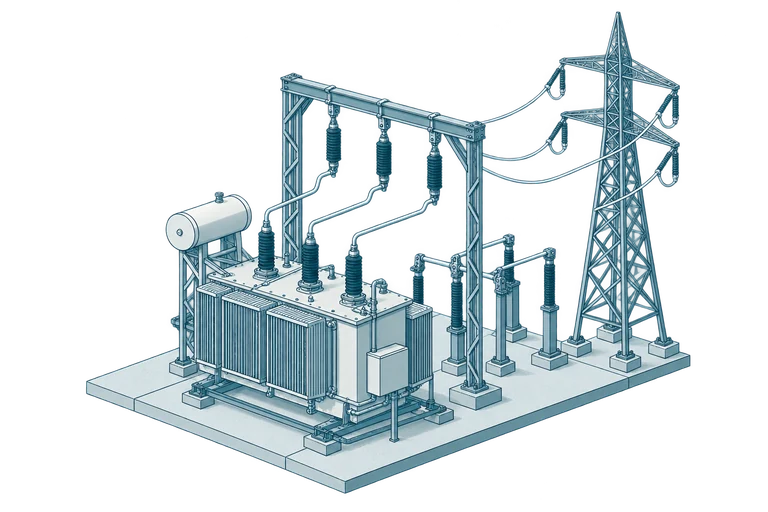
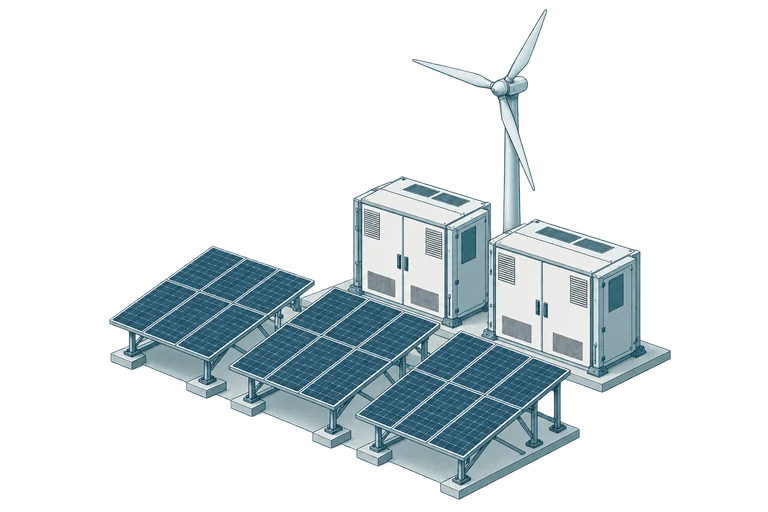
Bring generation forecasts, storage availability and network constraints together to inform when to generate, store and deliver power.

Grids & utilities

Connect network visibility with asset condition to plan maintenance, unlock capacity and help reduce procurement costs and imbalance penalties.

Energy trading & procurement

Connect supply and demand forecasts with asset availability and market conditions to inform buying, selling and scheduling within physical limits.

AI & data centres

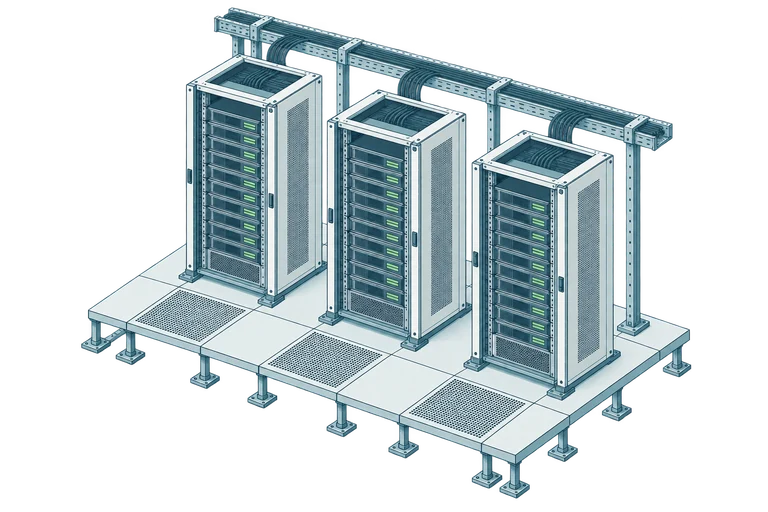
Bring power availability, connection constraints and energy sourcing into the decisions behind reliable compute and new capacity.

Industry & mobility

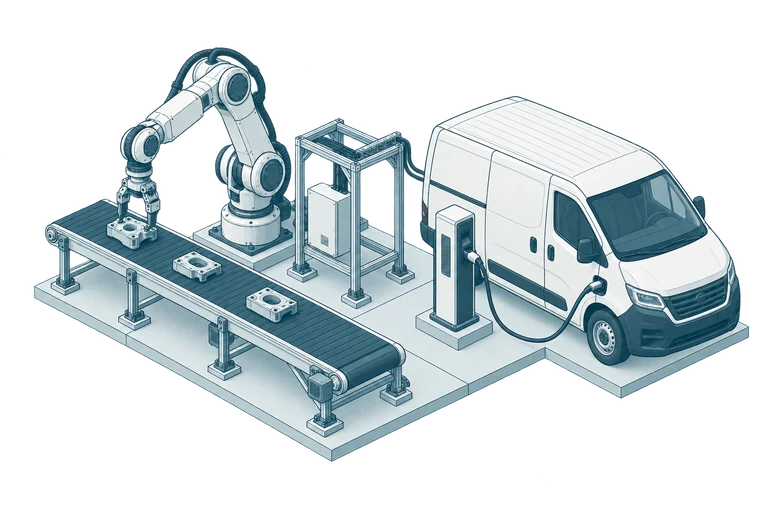
Understand changing demand across industrial processes and fleet charging to coordinate energy use, plan supply and identify flexibility.

Intelligence for what’s next.

A world of abundance
starts with energy.

Affordable, dependable power expands what the world can produce and makes new industries possible.

contact@araynex.com